

Cast iron is one of the few cooking tools where buying well once genuinely means buying forever. But “cast iron” covers a lot of ground: a $24 pan from Lodge and a $254 pan from Le Creuset are both cast iron, yet they cook differently, feel different in hand, and suit different cooks. Here are the ones worth your money.
Quick Picks
Best Overall: Lodge 12-Inch Cast Iron Skillet — ~$24 · The workhorse of American kitchens, pre-seasoned and ready to go out of the box.
Best for Serious Home Cooks: Stargazer 12-Inch Cast Iron Skillet — ~$175 · Lighter, smoother, and better balanced than Lodge, with a helper handle that actually helps.
Best Enameled Option: Le Creuset Signature Skillet — ~$254 · The choice if you want cast iron heat retention without the seasoning upkeep.
Best Carbon Steel Alternative: Matfer Bourgeat Black Carbon Steel Skillet — ~$48 · Cast iron’s lighter, faster cousin — preferred by professional kitchens everywhere.
Best Overall: Lodge 12-Inch Cast Iron Skillet
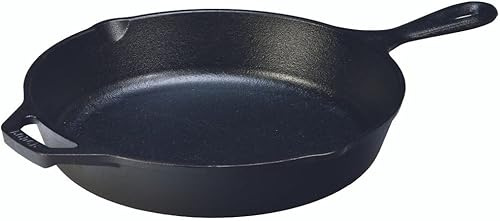
Lodge’s 12-inch skillet is the default recommendation for good reason: it’s inexpensive, pre-seasoned with vegetable oil, built to last generations, and available everywhere. At around 8 pounds, it’s heavier than some alternatives, but that weight is doing real work — distributing heat evenly and retaining it long after you pull the pan off the flame. Sear a steak, bake a cornbread, fry an egg, roast a chicken breast: this pan handles all of it.
The surface texture is rougher than boutique options, which means your first few months are really a seasoning-building exercise. Users who cook with fat regularly find it becomes genuinely non-stick within a season or two. The complaints you’ll see — hot spots near the handle junction, slightly awkward pour spouts — are real but minor. At this price point, the Lodge is simply the most accessible entry point into cast iron cooking.
If you’re new to cast iron or replacing a pan that walked off, buy this one. If you already own one and it’s working, you don’t need to upgrade.
Best for Serious Home Cooks: Stargazer 12-Inch Cast Iron Skillet
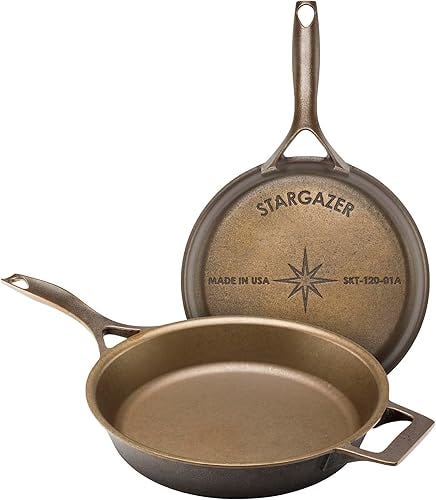
Stargazer is a small Pennsylvania foundry making cast iron the way boutique manufacturers do: each pan is machined smooth after casting, which produces a cooking surface closer to vintage Griswold pans than modern Lodge. The result is a skillet that’s noticeably lighter (about 6.5 pounds) and better balanced, with a longer handle and a secondary helper handle that’s actually long enough to grip with a towel. These details matter when you’re moving a hot pan with one hand.
The polished interior develops seasoning faster than rough-cast pans, and users consistently report a more naturally non-stick cooking experience earlier on. The flared sides make it easier to flip and baste without wrestling the pan. Customer service is frequently cited in reviews — Stargazer replaces pans with issues, which is notable for a cookware company.
The jump from $24 to $175 is real. If you cook on cast iron multiple times a week and find yourself fighting your Lodge’s weight or awkward handle, the Stargazer is a meaningful upgrade. If you use cast iron occasionally, the Lodge is still fine.
Best Enameled Option: Le Creuset Signature Iron Handle Skillet
~$254 · Le Creuset · Amazon
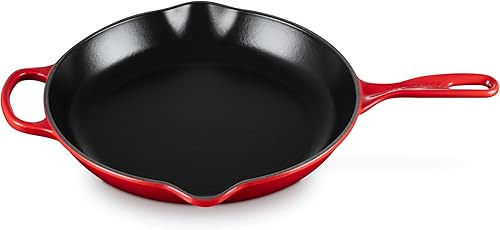
Enameled cast iron and bare cast iron are not really the same category — the enamel coating changes what you cook and how you maintain it. Le Creuset’s skillet offers cast iron heat retention and even cooking without any seasoning requirement, and crucially, you can cook acidic things in it. Tomato sauce, wine-braised proteins, citrus-forward sauces all work fine in Le Creuset. Bare cast iron reacts with acids and strips seasoning — a limitation that genuinely matters for certain cooking styles.
The enamel interior is satin-finished, not matte ceramic, which means it tolerates higher heat than some competitors and is less prone to chipping. At around 6.5 pounds for the 11.75-inch version, it’s comparable in weight to Stargazer — Le Creuset’s construction is dense but not unwieldy.
The price is high and the enamel isn’t invincible — it can chip from drops or thermal shock. But if you cook a lot of acidic dishes, or simply don’t want to maintain seasoning, this is the right tool. It will also outlast you if treated with reasonable care.
Best Carbon Steel Alternative: Matfer Bourgeat Black Steel Skillet
~$48 · Webstaurant Store · Amazon
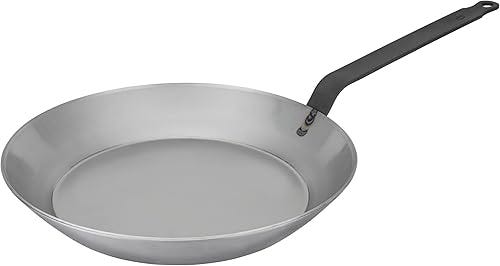
Carbon steel is cast iron’s leaner sibling — same iron-and-seasoning cooking style, but thinner, lighter, and faster to heat and cool. A 12-inch carbon steel pan weighs about 4 pounds versus 8 for cast iron, and that difference is dramatic when you’re tossing vegetables or flipping a frittata. Matfer Bourgeat is the French manufacturer that supplies professional kitchens worldwide, and their black steel pans are the industry standard in Europe.
The tradeoff is responsiveness for heat retention: carbon steel heats faster but doesn’t hold heat the way cast iron does, which makes it better for stovetop cooking and less ideal for oven applications like cornbread or pizza. It requires the same seasoning maintenance as bare cast iron. Matfer pans ship with a beeswax coating that needs to be burned off first — a minor friction point that every user notes, but a one-time process. After that, the pan seasons quickly and becomes genuinely slick.
Who should buy this instead of Lodge? Anyone who finds cast iron too heavy to use daily, cooks a lot of eggs or delicate fish, or wants a pan closer to a traditional French kitchen. It’s not a replacement for cast iron — it’s a different tool that happens to use the same seasoning logic.
The Bottom Line
Buy Lodge if you want cast iron and want to spend as little as possible to get there. Upgrade to Stargazer if you cook frequently and want something that feels genuinely better in hand. Choose Le Creuset if you need the enameled surface for acidic cooking or simply don’t want the maintenance. Add a Matfer carbon steel pan if you want cast iron’s cousin for everyday stovetop work. Four pans, four meaningfully different answers — only one of which is right for you.